

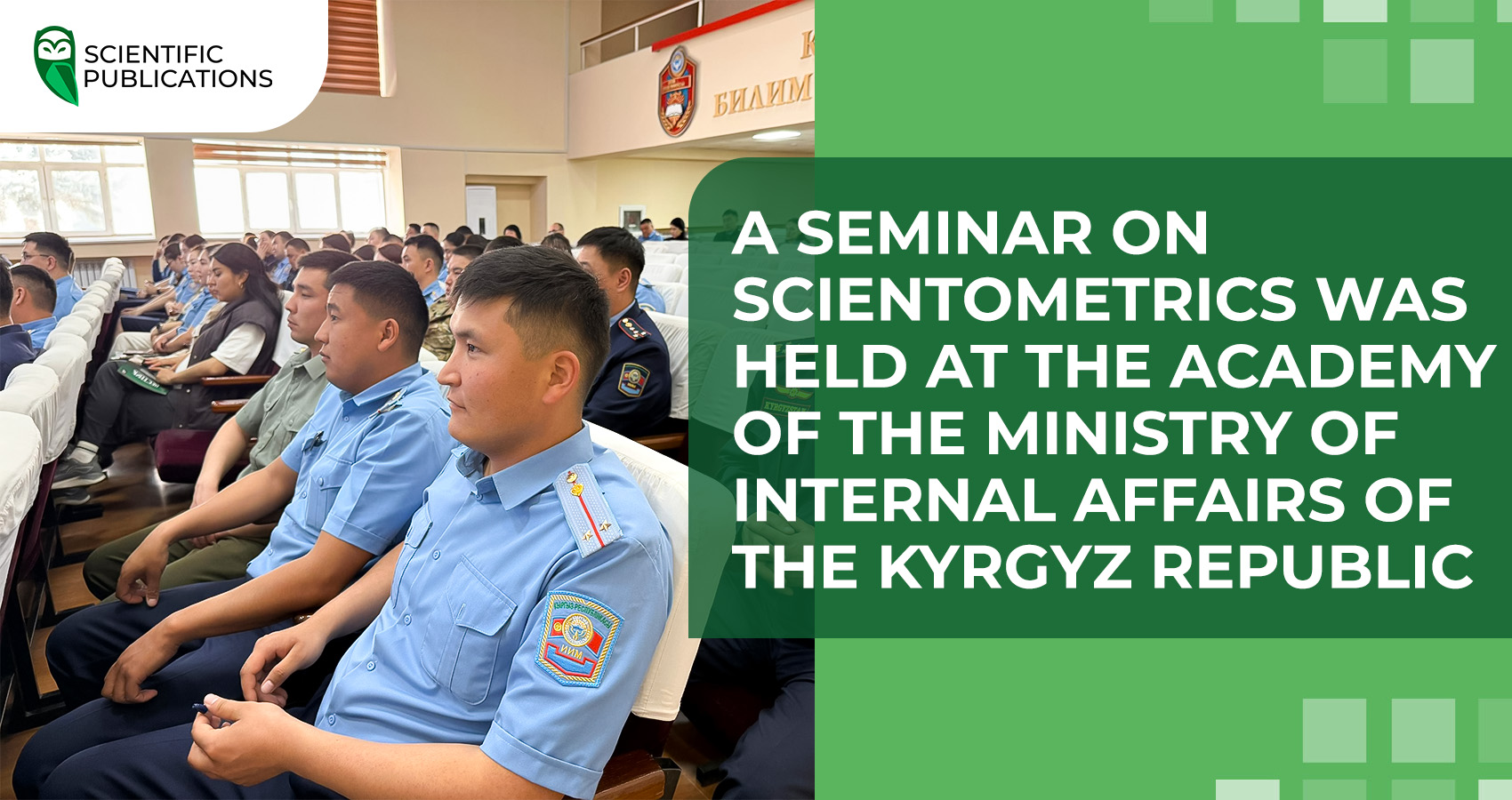
On 6 April 2026, the Scientific Publications held a seminar on scientometrics at the Academy of the Ministry of Internal Affairs of the Kyrgyz Republic. What was the topic of the event?

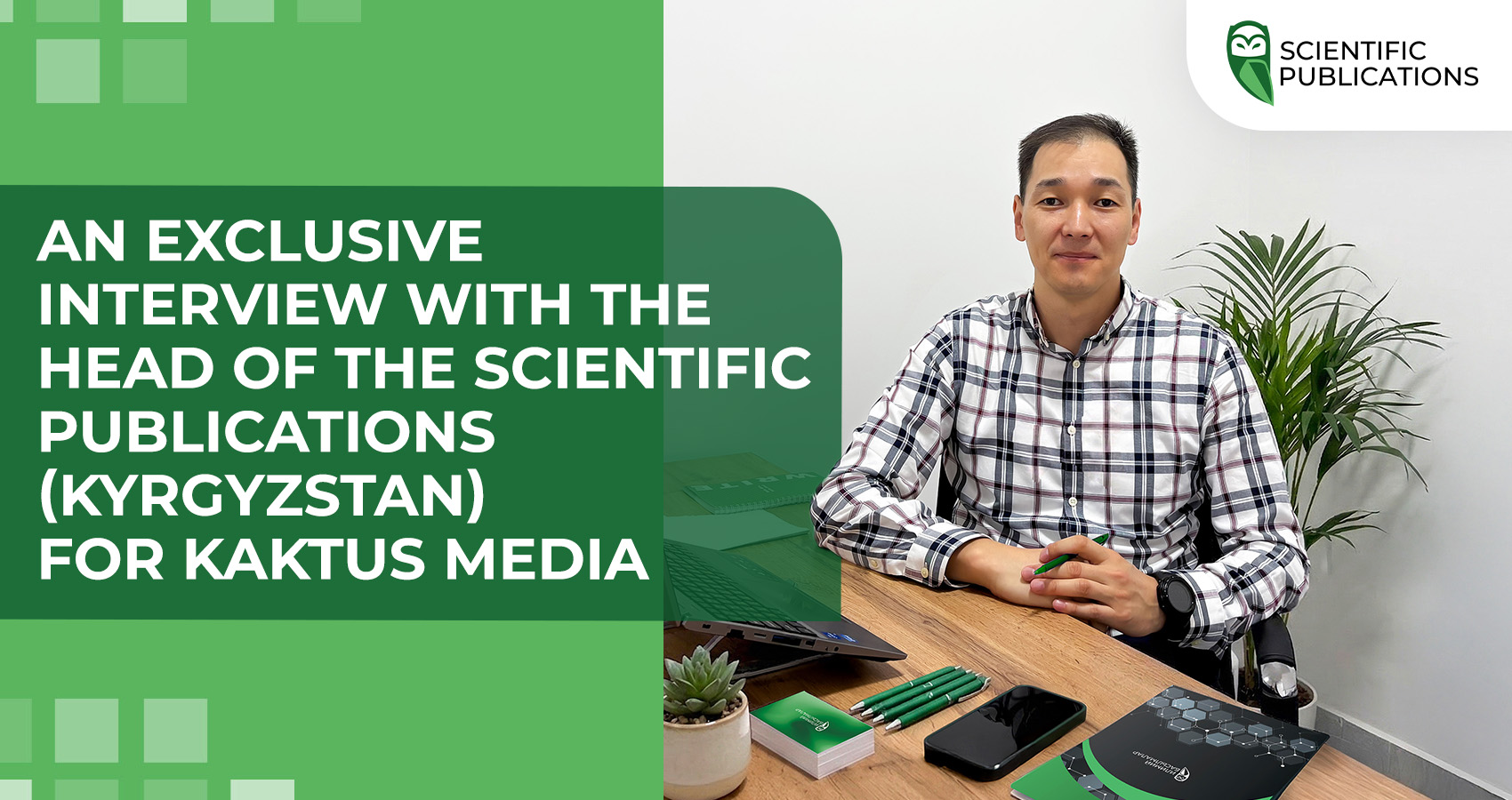
An exclusive interview with the head of the Scientific Publications (Kyrgyzstan) for Kaktus Media
Science and scientometrics is a field that few people know about, but which is central to the lives of scientists. The head of the Scientific Publications (Kyrgyzstan) gave an exclusive interview to Kaktus Media. How is scientific consultancy developing, and does it help scientists in Kyrgyzstan? How have the demands on scientists changed? Read on to find out about this and much more.

Why lawyers and advocates need academic publications?
Why should lawyers and advocates engage in academic publishing? In this article, we will examine how publishing activity helps open up new opportunities for career and academic growth.
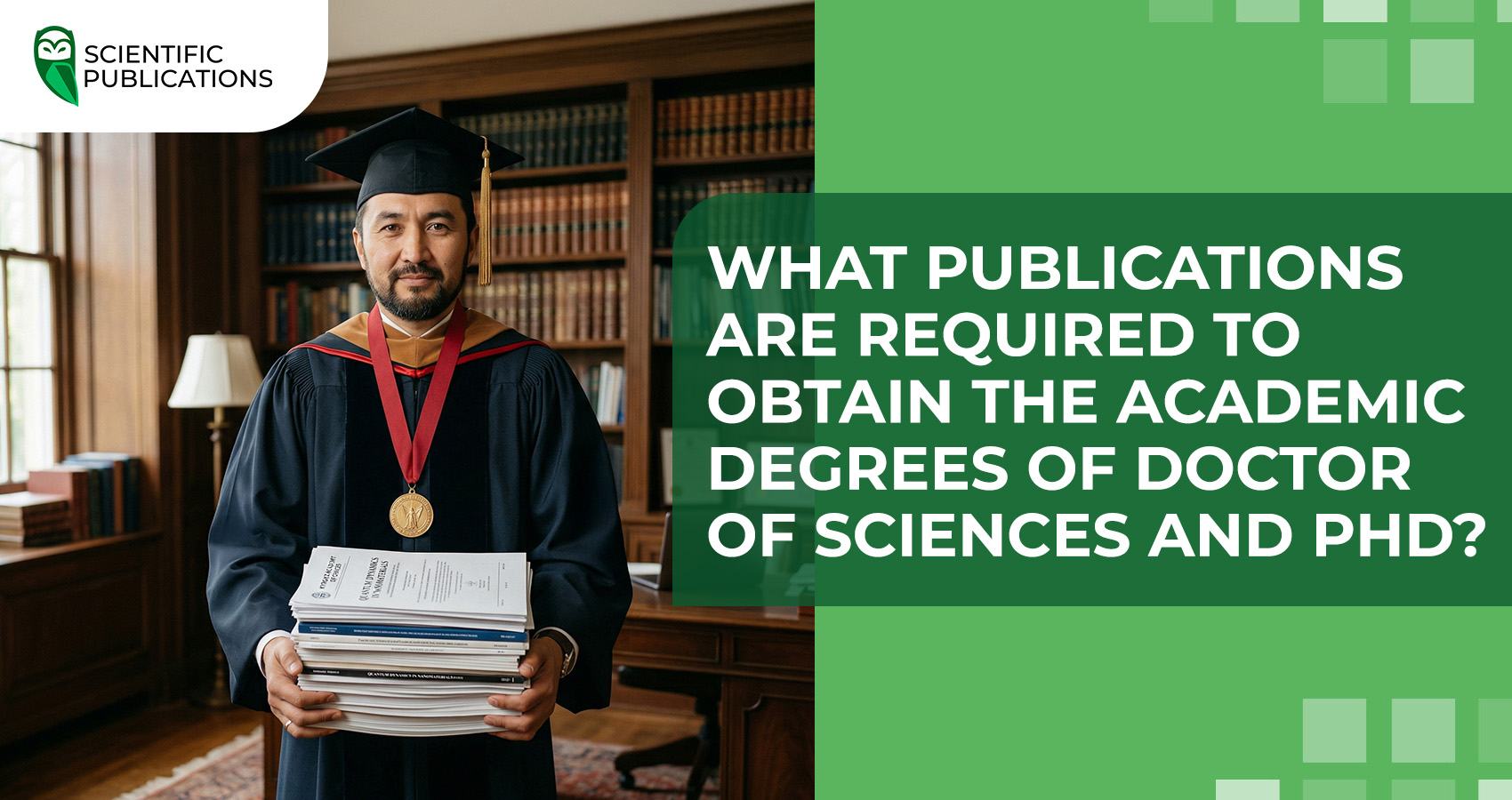
What publications are required to obtain the academic degrees of Doctor of Sciences and PhD?
Why is the issue of publications so important when defending a dissertation? In this article, we will look at how many publications are required for PhD and Doctor of Sciences dissertations. In addition, we will examine which of them must be published in journals indexed in Scopus, Web of Science, and journals included in the List of the Higher Attestation Commission, as well as what applicants should pay attention to in advance.
Publication requirements for professor, associate professor and senior research fellow in Kyrgyzstan
Publications in academic journals are important not only for defending a dissertation, but also for further academic advancement. In this article, we examine the publication requirements currently in force in Kyrgyzstan for the award of the academic titles of professor, associate professor and senior research fellow, and what applicants should pay attention to in advance.

Publications in Q1-Q4: a regulatory requirement or an academic advantage?
It is not uncommon for researchers to aim to publish their articles exclusively in Q1-Q2 journals, as they regard this as a mandatory requirement. However, is a high quartile really a necessity? In which cases does it act as a mandatory criterion, and when is it merely an advantage? Find out more in our new video.
Order a publication
Contact a manager
SUBMIT AN APPLICATION
X

We have a gift for you!
Free citation of your research or a discount on publication services — the choice is yours!
Denys Hlushko
Director of the company
"Scientific Publications Kyrgyzstan"