

Publishing in a peer-reviewed journal is rarely free of charge. Does the university cover these costs? What support can a scientist in Kyrgyzstan rely on? We look at how funding for publication activity works today.

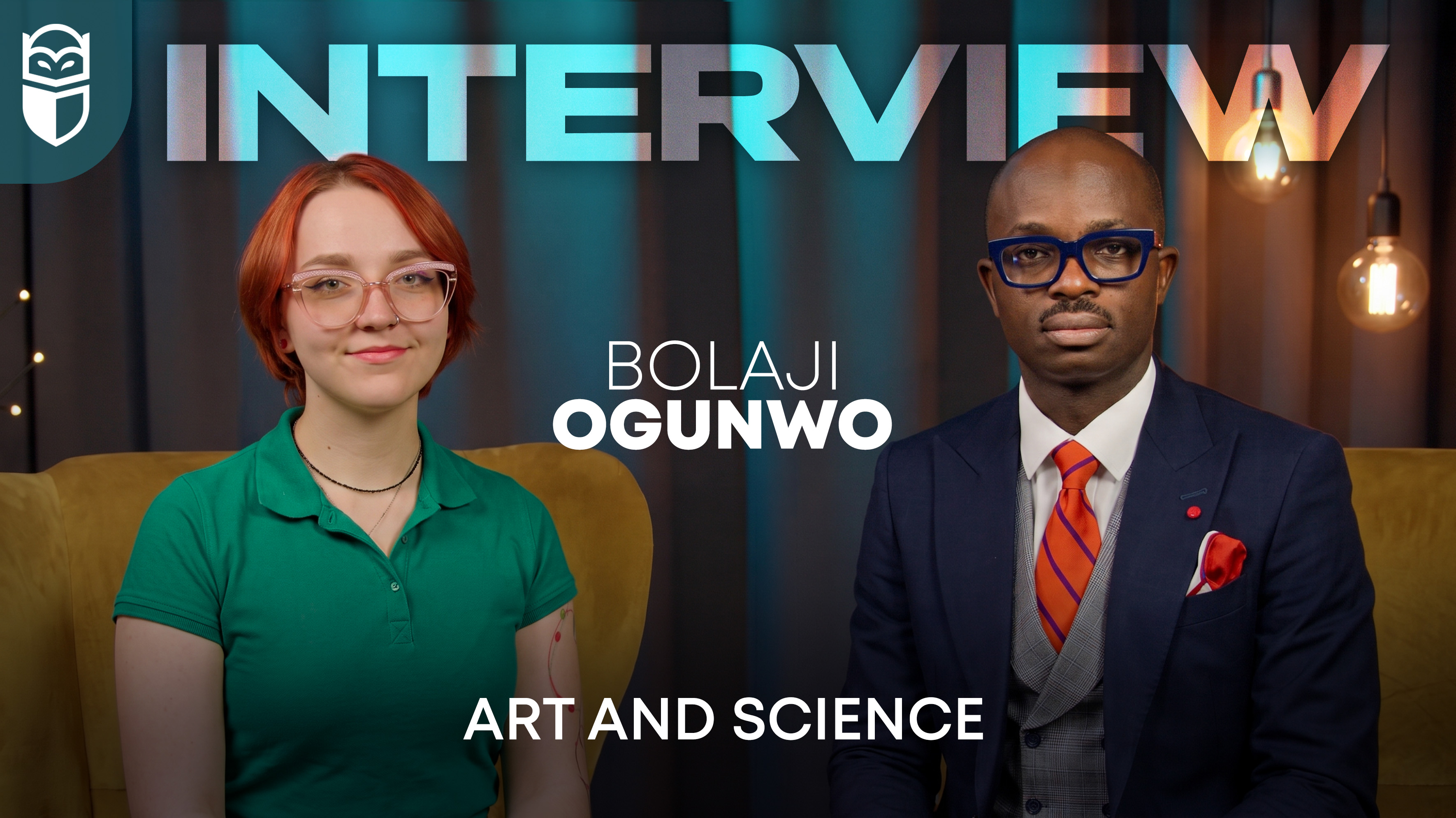
An interview with Dr Bolaji Ogunwo
How does combining a creative practice with an academic career shape one's painting and research, how does teaching differ between countries, and why does research in the arts call for a special approach? All of this – in today's interview.
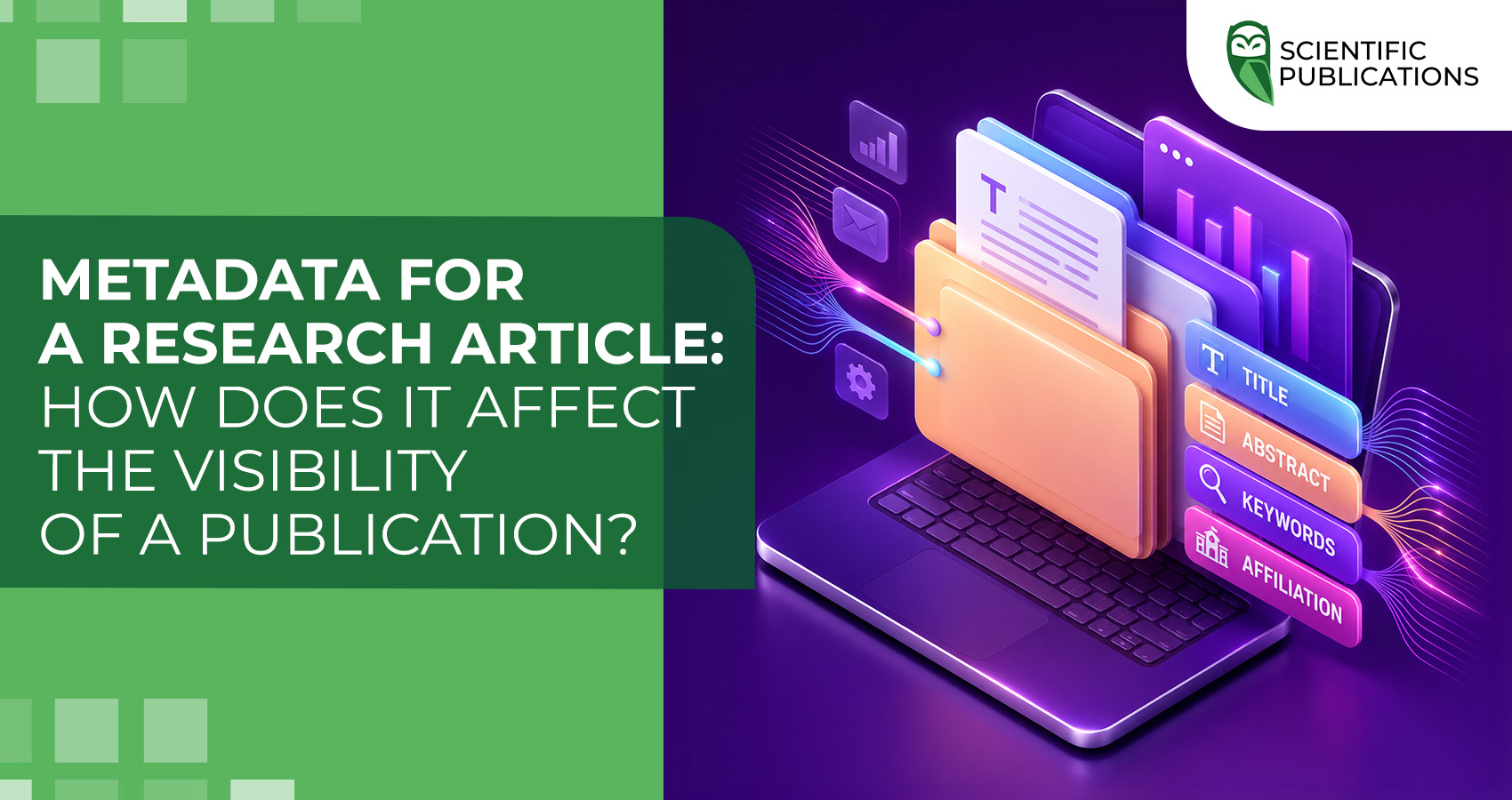
Metadata for a research article: how does it affect the visibility of a publication?
Scientific article metadata is the set of information that determines its visibility in citation databases and search engines. How do you choose a precise title that won't get lost among thousands of similar phrasings? Why does the abstract decide an article's fate before anyone has read it in full? We look at how the title, abstract, keywords and affiliation shape whether the right readers ever find the work.
Conflict of interest in publications: when to declare it and why it matters
The absence of a conflict of interest declaration can cast doubt on the objectivity of even a methodologically flawless study. Which relationships are considered a conflict of interest, and why do journal editors pay such close attention to this issue? We look at when a conflict of interest must be disclosed and what the consequences of concealing it can be.
Academic integrity: what you need to know
Academic integrity is the foundation of trust in the results of scholarly work, without which a publication or thesis defence loses its value in the eyes of reviewers and attestation commissions. What counts as a violation of these principles? What measures do journals and the NAC take when such violations are detected? All this in today’s article.
Algorithm for choosing a scientific journal for publication: how to avoid risks
Publishing a scientific paper is an important stage of any research project, yet a mistake at the journal-selection stage can undo years of work. How can a reliable journal be told apart from a fly-by-night one? Which criteria should the choice be based on? Here is how to build an algorithm for choosing a scientific journal and reduce the risk of rejection or of losing a publication altogether.
Order a publication
Contact a manager
SUBMIT AN APPLICATION
X

We have a gift for you!
Free citation of your research or a discount on publication services — the choice is yours!
Denys Hlushko
Director of the company
"Scientific Publications Kyrgyzstan"