On 6 April 2026, President of the Kyrgyz Republic Sadyr Japarov signed Decree No. 135. The document sets the course for expanding the financial independence of research organisations and universities, while the Cabinet of Ministers and the relevant ministry are now working out the specific mechanisms for its implementation.
Which decree governs science funding in Kyrgyzstan?
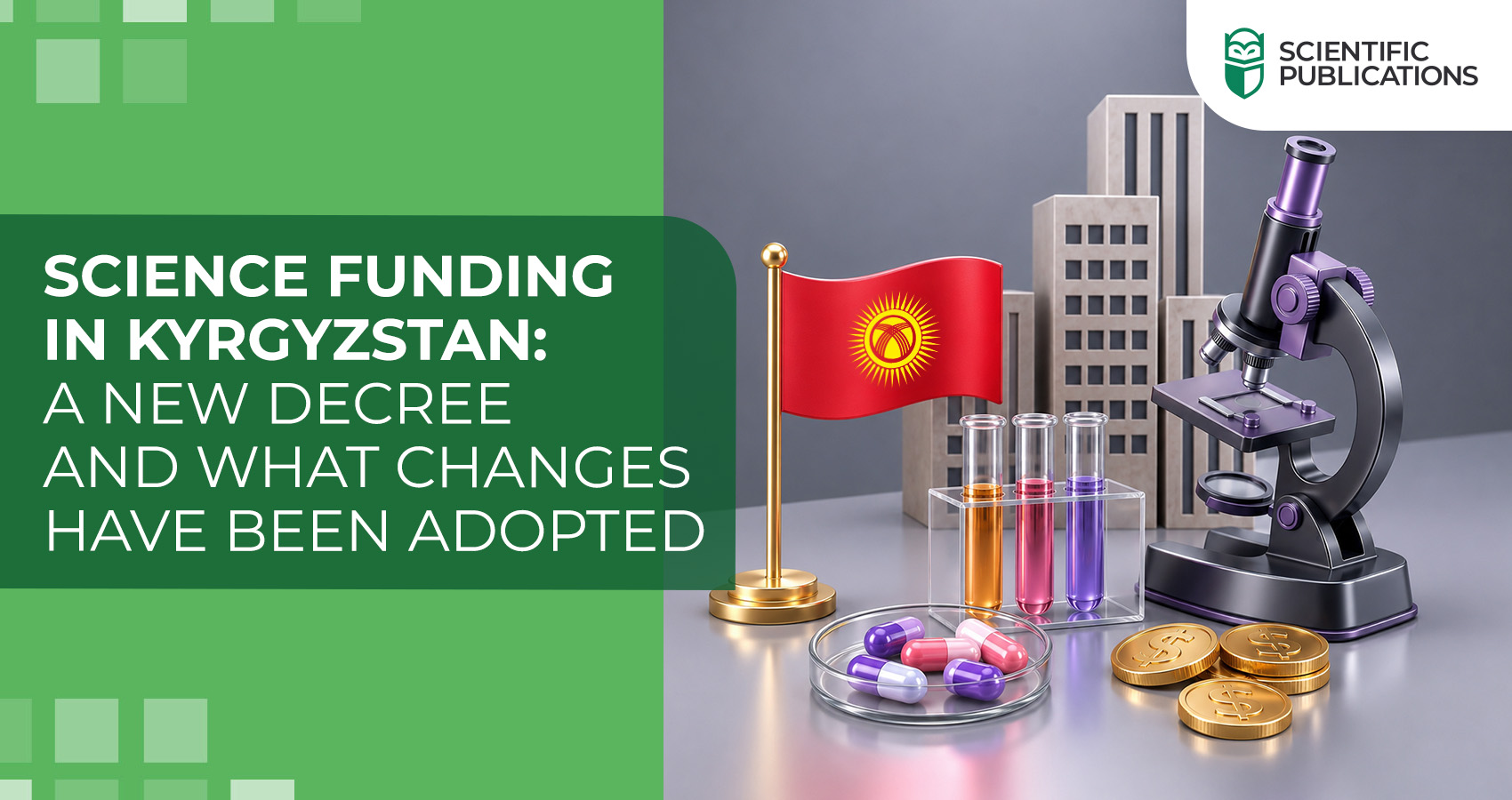
Decree No. 135 “On Measures to Reform and Improve the Efficiency of Scientific Activity” has become the main document defining the direction of science-sector reform for the coming years. According to the initiative's drafters, the priority objectives are modernising the material and technical base of research organisations, raising scientists' pay, expanding opportunities for commercialising research developments, and reducing research institutions' dependence on budget funding. The decree is framework in nature: it sets out the goals of the reform, while the specific mechanisms for achieving them are set out in separate government resolutions and legislative amendments.
Why the funding model needed revising
At the time the decree was signed, most of the republic's research organisations were almost entirely dependent on the republican budget, which limited their ability to update equipment and introduce new developments. Additional difficulties included weak commercialisation of research results and a low level of integration between science and the economy. These factors underpinned the decision to expand the financial independence of research organisations.
How will research organisations' financial independence expand?
To implement the decree, a bill has been put out for public discussion that amends the Budget Code, the Non-Tax Revenue Code, and the laws “On Science” and “On the National Academy of Sciences” all at once. The document proposes that research institutions be allowed to keep the income they earn from leasing out state property – at present, such receipts go to the republican budget.
In addition, the National Academy of Sciences will gain the right to set its own tariffs for paid services not classified as state services, and income from permitted activities will accumulate in institutions' special accounts. This income may come from the following types of activity:
- research activity
- educational services
- consultancy work
- publishing activity
- other permitted activity carried out on a contractual basis
Universities will be required to increase spending on science
At present, state universities allocate only one per cent of their total special-account funds to research. The bill raises this minimum to three per cent – it is expected that this will provide more stable funding for research, upgrade laboratories and help attract young scientists. Among the key areas of the reform currently being developed under the decree are the following:
- Raising the share of university spending on research to three per cent of special-account funds.
- Granting research organisations the right to set their own tariffs for paid services.
- Giving the Cabinet of Ministers the power to provide emergency funding for strategically important research projects.
- Introducing mandatory independent scientific and technical review for projects applying for grant funding.
What is changing in the Law “On Science”?
The draft establishes the status of the National Academy of Sciences as an organisation under the President of the Kyrgyz Republic and transfers the National Attestation Commission to the ministry's jurisdiction. The Cabinet of Ministers is being given the power to provide emergency funding for projects addressing strategically important state tasks – previously, the competitive selection process could take six months or longer. For programme-targeted and grant funding, an independent scientific review is becoming strictly mandatory, whereas previously this requirement was merely declarative.
The concept of the amendments was approved on 30 June 2026 by the Interdepartmental Expert Group for the Systemic Inventory of Legislation, although the final version of the law has not yet been adopted.
Decree No. 135 sets the overall direction of the reform, and its final parameters will take shape once the accompanying resolutions and amendments to the Law “On Science” are adopted. Scientists and research organisations should keep track of legislative changes and prepare in advance for new requirements, including more active participation in grant competitions and the commercialisation of their research results.
Planning a scientific publication? Specialists at Scientific Publications, part of the Scientific Alliance holding, can help prepare a scientific article and support you at every stage of the publication process. To receive a free consultation, fill in the form below, and our manager will get in touch with you shortly.