


Why is the issue of publications so important when defending a dissertation? In this article, we will look at how many publications are required for PhD and Doctor of Sciences dissertations. In addition, we will examine which of them must be published in journals indexed in Scopus, Web of Science, and journals included in the List of the Higher Attestation Commission, as well as what applicants should pay attention to in advance.


Publication requirements for professor, associate professor and senior research fellow in Kyrgyzstan
Publications in academic journals are important not only for defending a dissertation, but also for further academic advancement. In this article, we examine the publication requirements currently in force in Kyrgyzstan for the award of the academic titles of professor, associate professor and senior research fellow, and what applicants should pay attention to in advance.
Effective ways to improve the H-index
Which strategies truly help improve the H-index, and which have only a limited effect or may even raise concerns from the perspective of academic ethics? In this article, we will examine the main approaches to increasing citation rates, assess their practical value, and show how to build a systematic publication strategy without violating scientific standards.
A key scientometric indicator of a researcher: All About Hirsch index
The Hirsch Index is an international scientometric indicator. What does the Hirsch Index represent? Why is it important? How can it be increased? Find out in our article.
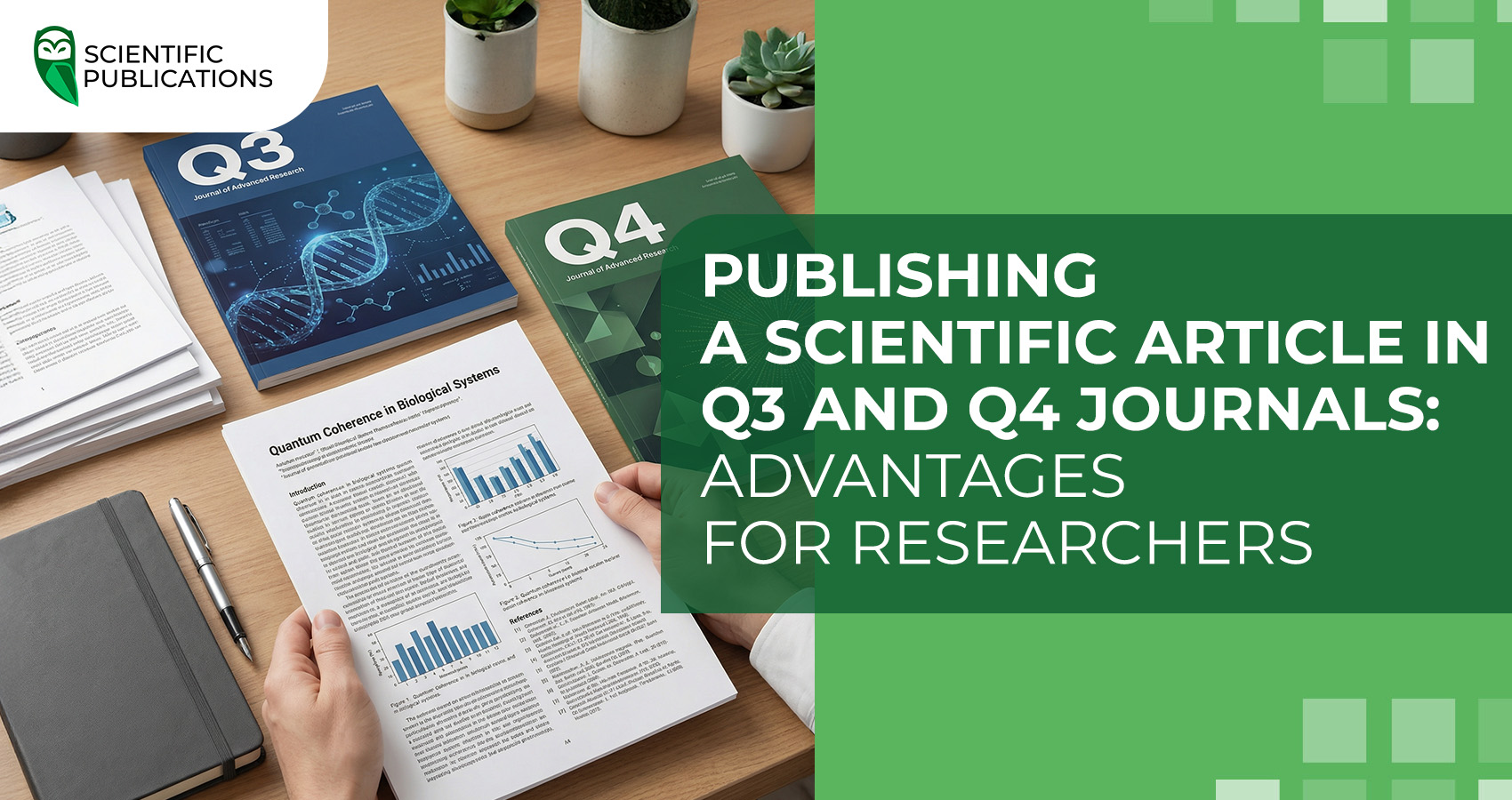
Publishing a scientific article in Q3 and Q4 journals: Advantages for researchers
Publishing in Q3 and Q4 journals is often perceived as a less prestigious option. In practice, however, such journals can become an effective part of a researcher’s academic strategy. How are they useful for authors? In what cases is this publication format justified? What risks should be considered when choosing a journal? These are the questions we address in our new article.
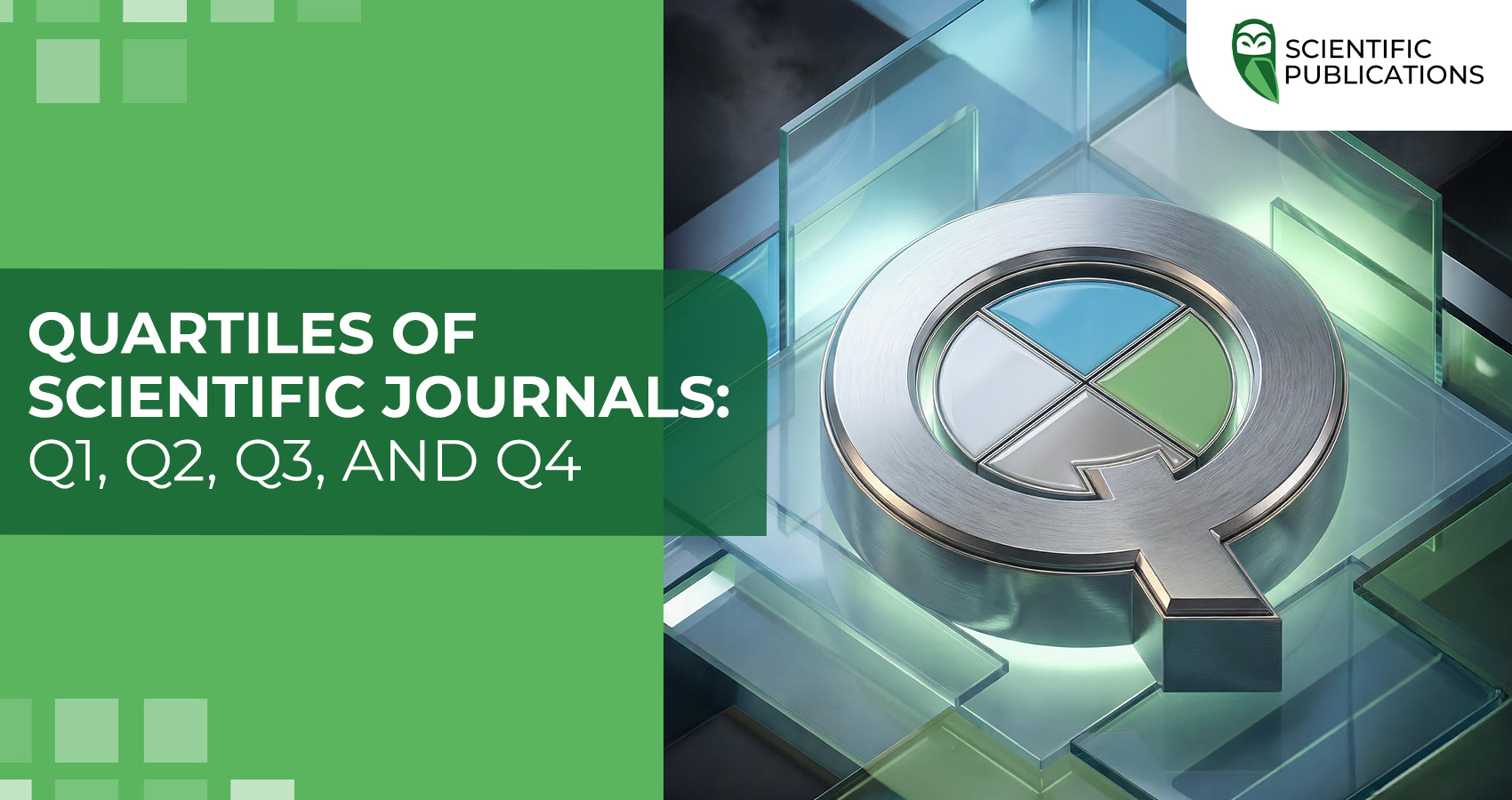
Quartiles of scientific journals: Q1, Q2, Q3, and Q4
In the scientific world, various scientometric indicators are used to assess the authority and ranking of journals. One of the key criteria when choosing a journal for publishing a scientific article is its quartile. What is this indicator? What do quartiles Q1, Q2, Q3, and Q4 mean, and how do they differ? Read on to find out.
Order a publication
Contact a manager
SUBMIT AN APPLICATION
X

We have a gift for you!
Free citation of your research or a discount on publication services — the choice is yours!
Denys Hlushko
Director of the company
"Scientific Publications Kyrgyzstan"