Scientometric databases, electronic libraries, and archives provide users with quick access to a large number of scientific works, and the DOI significantly simplifies their search and further use. In this article, we will look at what elements make up a DOI and why it has become an important part of the modern scientific space.

DOI: What is it?
A DOI (Digital Object Identifier) is a unique digital identifier designed to designate various types of electronic objects, such as scientific articles, books, sections of publications, data sets, or other resources. It provides a stable and permanent link to an object in digital space, making it easy to find, cite and access, even if the web address or storage location of the material changes.
What does a DOI consist of?
A DOI consists of two parts: a prefix and a suffix. It always starts with the number “10” and can contain both numbers and letters.
- The prefix identifies the registrar or publisher and is provided after concluding an agreement with the registration agency.
- The suffix is unique for each publication and is created by the publisher. It usually contains a combination of elements denoting the journal, volume and article number.
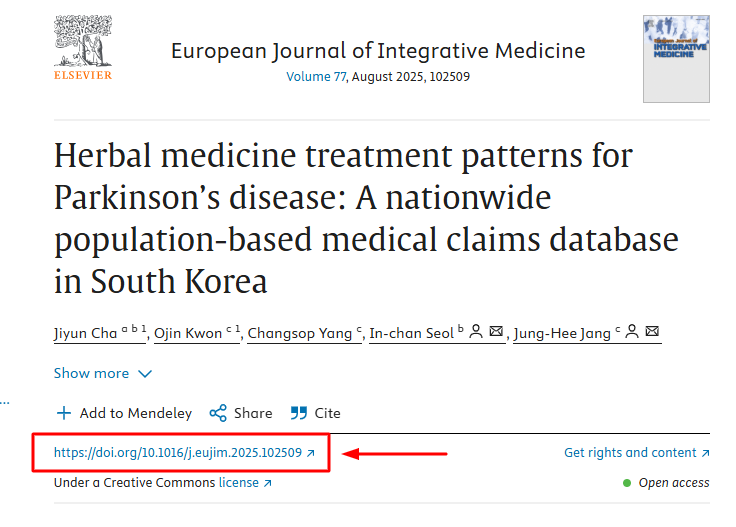
Each material must have its own unique suffix, even if the number of objects at the publisher is unlimited.
Why do we need a DOI?
The role of a DOI cannot be overestimated, as it performs a number of important functions, in particular:
- Ensuring permanent access. Even if the website of the journal or publisher changes its structure or address, the DOI remains unchanged and leads to the desired resource.
- Assistance in citation. The DOI allows you to clearly identify the source, which greatly facilitates the formatting of references to scientific works.
- Increasing the visibility of publications. Thanks to the DOI, articles are easier to find in databases such as Scopus or Web of Science.
- Supporting data management. The DOI is used to identify not only scientific articles, but also data sets, software, and other digital assets.
Advantages of DOI
Assigning a DOI is not a mandatory step in publication, but using this identifier offers a number of advantages that help optimise search, increase accessibility and visibility of scientific materials.
- Uniqueness. Each DOI is unique, which eliminates the possibility of confusion when searching for or citing publications.
- Stability. The identifier remains valid even if the platform, server, or website changes, ensuring constant access to materials.
- Integration with databases. The presence of a DOI simplifies indexing in scientometric systems and allows you to quickly find the works you need and track their citations.
- Copyright support. Along with the DOI, a set of metadata (author, title, publication date, keywords, etc.) is stored, which confirms the origin of the work and contributes to the protection of intellectual property.
- Promotion of scientific development. The use of DOIs in open data and scientific publications increases their accessibility to the global research community, supporting the principles of open science.
DOI is an important tool in scientific activity, providing convenient and stable access to publications. Its use simplifies the search, citation and exchange of scientific materials, supporting the principles of openness and transparency in science.
Scientific Publications can create and assign international DOIs. This allows scientific articles, journals, and other publications to be provided with unique identifiers that facilitate their search, citation, and use in the global academic environment. To learn more about this service, please leave your contact details in the form below, and our manager will contact you shortly. Together towards new scientific achievements!