


Scopus is one of the most prestigious databases, and publication in it is a legal requirement for researchers in many countries. But how can you avoid scammers when publishing? Is fast publication a reality or a scam? How do fake journals operate? Find out more in our new video.


Doctoral dissertation in Kyrgyzstan: key requirements
What does it take to successfully defend a doctoral dissertation in the Kyrgyz Republic? In today's article, we shall review the conditions set for candidates for the Doctor of Sciences degree and consider how many publications are required and of what kind. We shall also examine which regulations should be relied upon at each stage.

Publications in parts: how salami slicing harms science and the author’s reputation
Salami slicing is a practice that some researchers use to increase their number of publications. However, what risks does it pose to an author’s reputation? Why are journal editors paying increasing attention to such cases? And what consequences can await papers published in this way? Learn more about this in our new video.
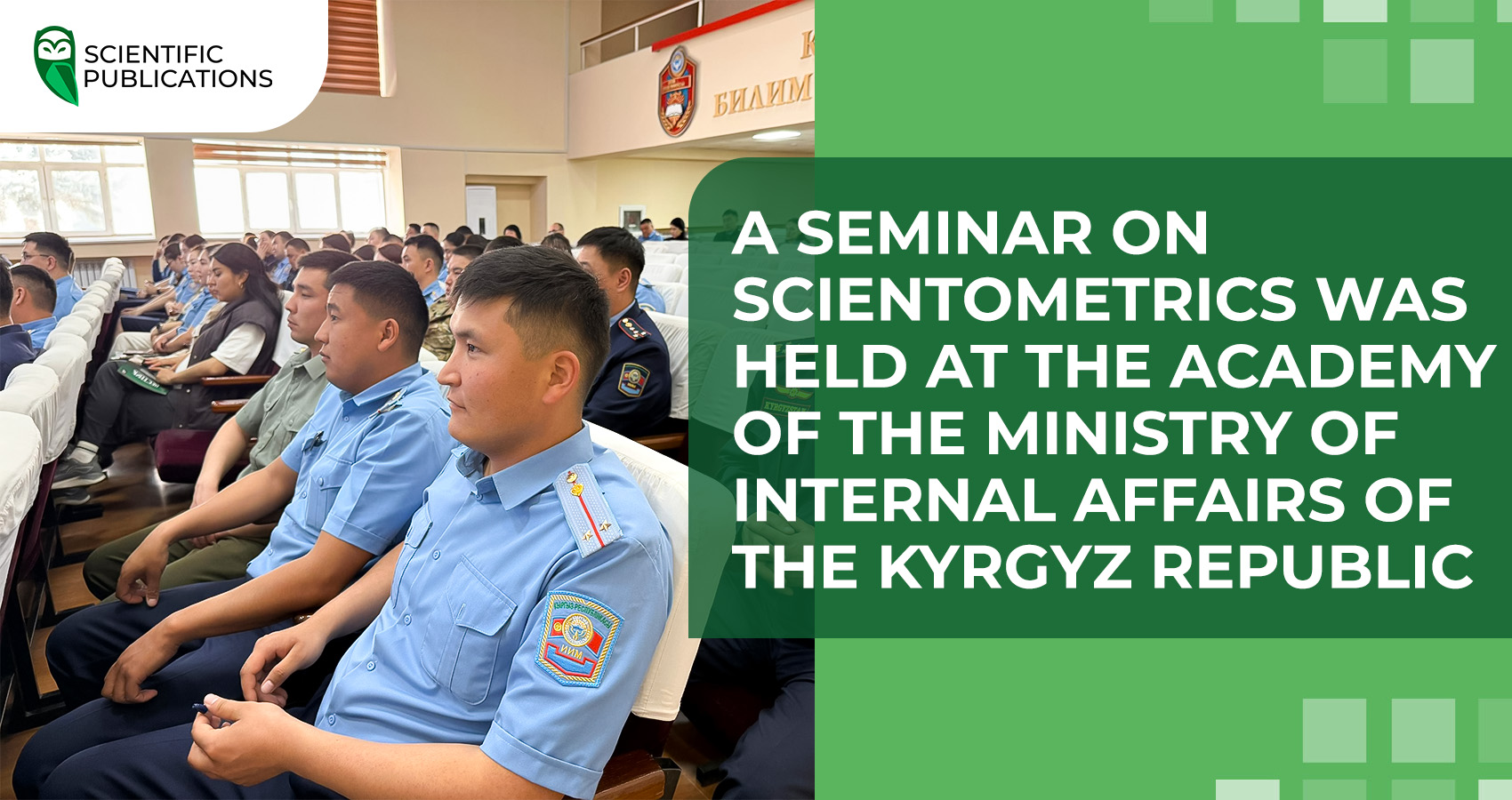
A seminar on scientometrics was held at the Academy of the Ministry of Internal Affairs of the Kyrgyz Republic
On 6 April 2026, the Scientific Publications held a seminar on scientometrics at the Academy of the Ministry of Internal Affairs of the Kyrgyz Republic. What was the topic of the event?

Top 5 research directions in 2026
Choosing a research topic is a real challenge for many researchers. This is truly one of the key stages in working on a publication, because if a mistake is made and an irrelevant topic is chosen, the author’s article risks being overlooked. How can this be avoided? Which research areas are the most popular?
Effective ways to improve the H-index
Which strategies truly help improve the H-index, and which have only a limited effect or may even raise concerns from the perspective of academic ethics? In this article, we will examine the main approaches to increasing citation rates, assess their practical value, and show how to build a systematic publication strategy without violating scientific standards.
Order a publication
Contact a manager
SUBMIT AN APPLICATION
X

We have a gift for you!
Free citation of your research or a discount on publication services — the choice is yours!
Denys Hlushko
Director of the company
"Scientific Publications Kyrgyzstan"