Cooperation with scientific organisations has long been part of proper scientific work. It gives a scientist access to new resources, funding and professional connections.

What opportunities does cooperation with scientific organisations give a scientist?
Working with universities, academies and scientific foundations widens the range of resources available to a scientist. Besides joint research, it gives access to funding, modern equipment and professional contacts that are difficult to obtain within a single organisation.
The main opportunities such cooperation opens up include:
- access to additional research funding
- shared use of scientific equipment and laboratories
- exchange of experience with colleagues from other organisations and countries
- an increase in joint publications and citations
- participation in international conferences and academic schools
The form and scope of cooperation depend on the research area, the status of the organisation, and the terms of the specific programme or agreement.
Main forms of a scientist's cooperation with scientific organisations
The format of cooperation is determined by the project's objectives and the partners' capabilities. The most common forms are:
- Joint research projects between universities, institutes and laboratories.
- Academic mobility and placements at foreign research centres.
- Participation in grant competitions run by scientific foundations and ministries.
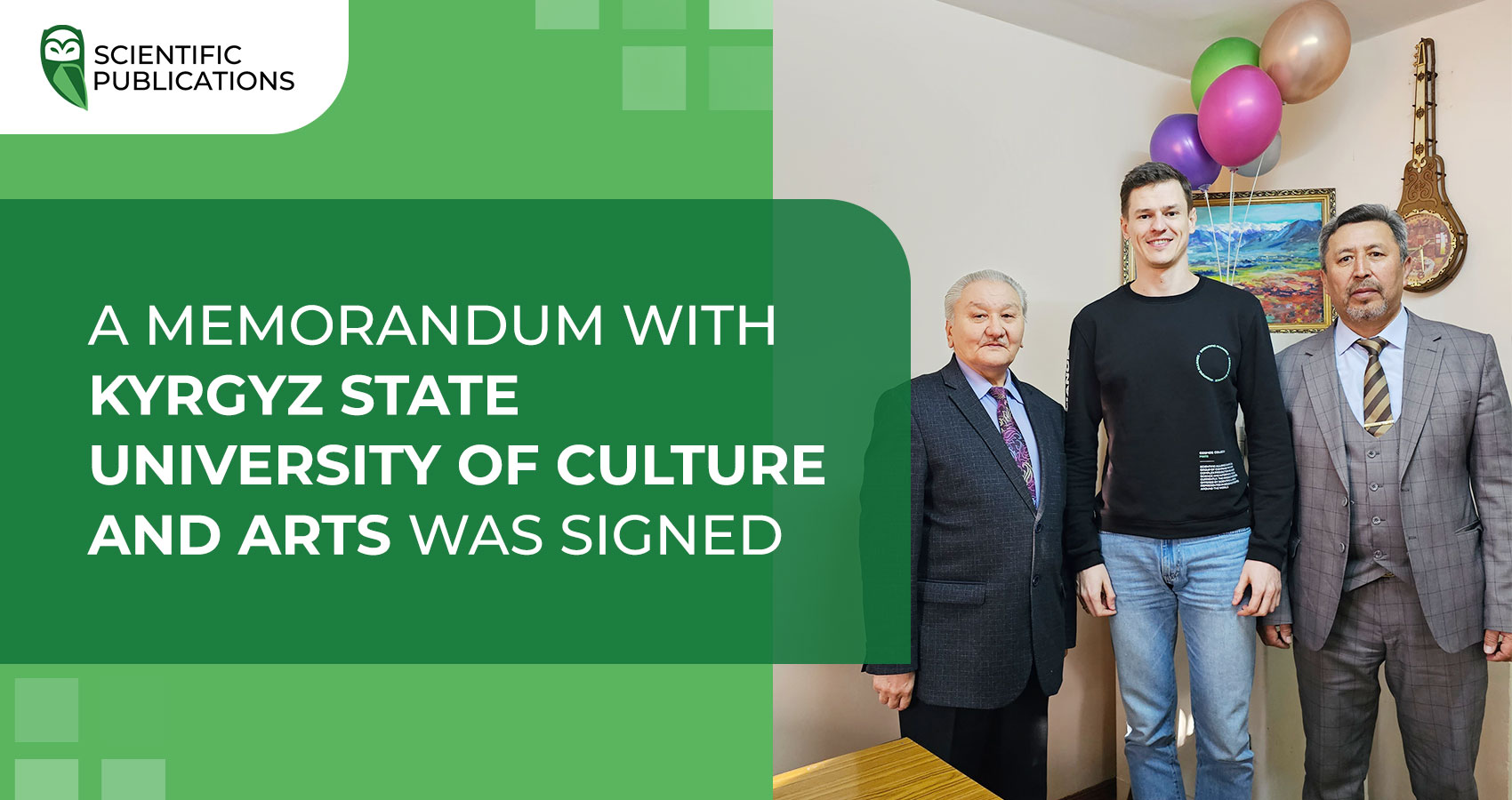
- Memoranda of cooperation between a scientist's university and a partner organisation.
- Membership of international scientific associations and unions of scientists.
The choice of the form of cooperation is usually agreed with the organisation's academic leadership and formalised through an official agreement.
How does cooperation with scientific organisations help a scientist secure funding?
One of the tangible results of cooperation with scientific organisations is access to additional funding. In the Kyrgyz Republic, for example, the Academic Innovation Fund of the Ministry of Science, Higher Education and Innovation operates under the “Quality and Innovation in Higher Education” project.
The Fund supports projects by academic staff and researchers at state and private universities, including initiatives that involve creating new partnerships with other organisations and are formalised through memoranda of cooperation.
Similar mechanisms operate at the level of academic institutions too. The National Academy of Sciences of the Kyrgyz Republic maintains ties with foreign academies through the International Association of Academies of Sciences, giving a scientist the opportunity to take part in joint research projects.
Cooperation with scientific organisations and a scientist's academic publications
Cooperation with scientific organisations also has a noticeable effect on a scientist's publication activity. Joint projects often result in articles with several authors from different organisations and countries, and such publications tend to attract more attention and citations.
In addition, partnership links make it easier to find co-authors and gain access to relevant journals, which is particularly important when preparing publications for international scientific databases.
Why is cooperation with scientific organisations important for a scientist's career?
Sustained cooperation with scientific organisations also has a positive effect on an academic career. It provides evidence of research activity when defending a doctoral thesis, improves the chances of taking part in new grant competitions, and strengthens a scientist's reputation among colleagues and potential partners.
Cooperation with scientific organisations remains one of the main sources of new opportunities for a scientist – from funding and access to equipment to joint publications and career growth. To make use of these opportunities, it is worth regularly following the current programmes offered by one's university, ministry and relevant foundations.
Do you need help with the publication of a scientific article? Specialists from the company Scientific Publications will help you choose a journal that matches your research profile, check the article against the publication's requirements, and support you at every stage of submission and peer review. To get a free consultation, fill in the form below, and our manager will contact you shortly. Onwards to new scientific achievements!